

How Chronic Stress Impacts Mental Well-Being
Chronic stress affects millions of people and often goes unnoticed until symptoms grow severe. Unlike short stress, which can motivate action, chronic stress lingers. It stays active for weeks or months. Relief feels distant. Over time, it reshapes thoughts, emotions, and behavior. UpMag explores the science behind journaling for emotional processing and growth as people begin to recognize and reflect on these internal shifts. Mental well-being slowly erodes. Energy declines. Motivation weakens. Clarity fades. Many people normalize these changes. They assume it is just life. This misunderstanding delays support and prolongs strain. This article explains how chronic stress impacts mental well-being, focusing on brain response, emotional balance, and long-term psychological health. It aims to clarify mechanisms in plain language. The focus stays practical. The goal is understanding, not alarm.
The Brain Stays in Alert Mode
The brain reacts to stress by activating survival systems. When stress becomes chronic, this response never fully shuts off. Cortisol remains elevated. The brain stays alert. This constant state drains mental energy. Recovery systems remain suppressed. Relaxation feels unfamiliar. Over time, the brain rewires toward vigilance. Focus weakens. Memory suffers. Calm becomes harder to access during daily life. Decision-making slows. Mental flexibility reduces. Simple tasks require more effort than before.
Emotional Regulation Becomes Difficult
Chronic stress disrupts emotional control. Small problems feel overwhelming. Patience decreases. Mood swings increase. Emotional reactions feel unpredictable. Minor stressors trigger strong responses. Balance feels fragile. The brain struggles to shift from threat mode to rest. Over time, emotional reactions become sharper and harder to manage. This instability affects relationships and self-perception. Communication breaks down more easily. Misunderstandings increase. Emotional recovery takes longer.
Anxiety and Worry Intensify
Ongoing stress feeds anxiety. The mind scans for danger even when none exists. Thoughts loop. Mental rest feels unreachable. Quiet moments trigger unease. Worry feels constant. This mental noise reduces clarity and peace. Anxiety becomes habitual rather than situational. The nervous system forgets how to relax fully. Rest feels unsafe. Silence feels uncomfortable. Worry fills the gap.
Depression Risk Gradually Rises
Prolonged stress changes brain chemistry. Pleasure responses weaken. Motivation drops. Hopelessness may appear. These shifts increase depression risk. The change is slow. Many people do not notice until joy feels distant. Chronic stress quietly reshapes emotional tone over time. Motivation fades gradually. Interest in once-valued activities declines.
Sleep Quality Declines
Stress interferes with sleep. The mind struggles to settle. Nighttime rumination increases. Poor sleep worsens emotional resilience. A cycle forms. Stress disrupts rest. Lack of rest increases stress. Energy drops. Irritability rises. Emotional tolerance narrows further.
Cognitive Performance Suffers

Chronic stress affects thinking speed and decision-making. Concentration fades. Mistakes increase. Learning feels harder. New information fails to stick. Recall weakens under pressure. The brain prioritizes survival over creativity or planning. This shift limits problem-solving and confidence, affecting work and personal life steadily. Productivity declines. Self-doubt grows. Errors feel more personal and harder to recover from.
Sense of Control Weakens
Persistent stress creates helplessness. The effort feels ineffective. Control feels lost. This belief …







 While eating protein doesn’t directly increase testosterone levels, you need them to build muscles when engaging in workouts. Eating protein will increase muscle mass, leading to easier workouts that increase testosterone.



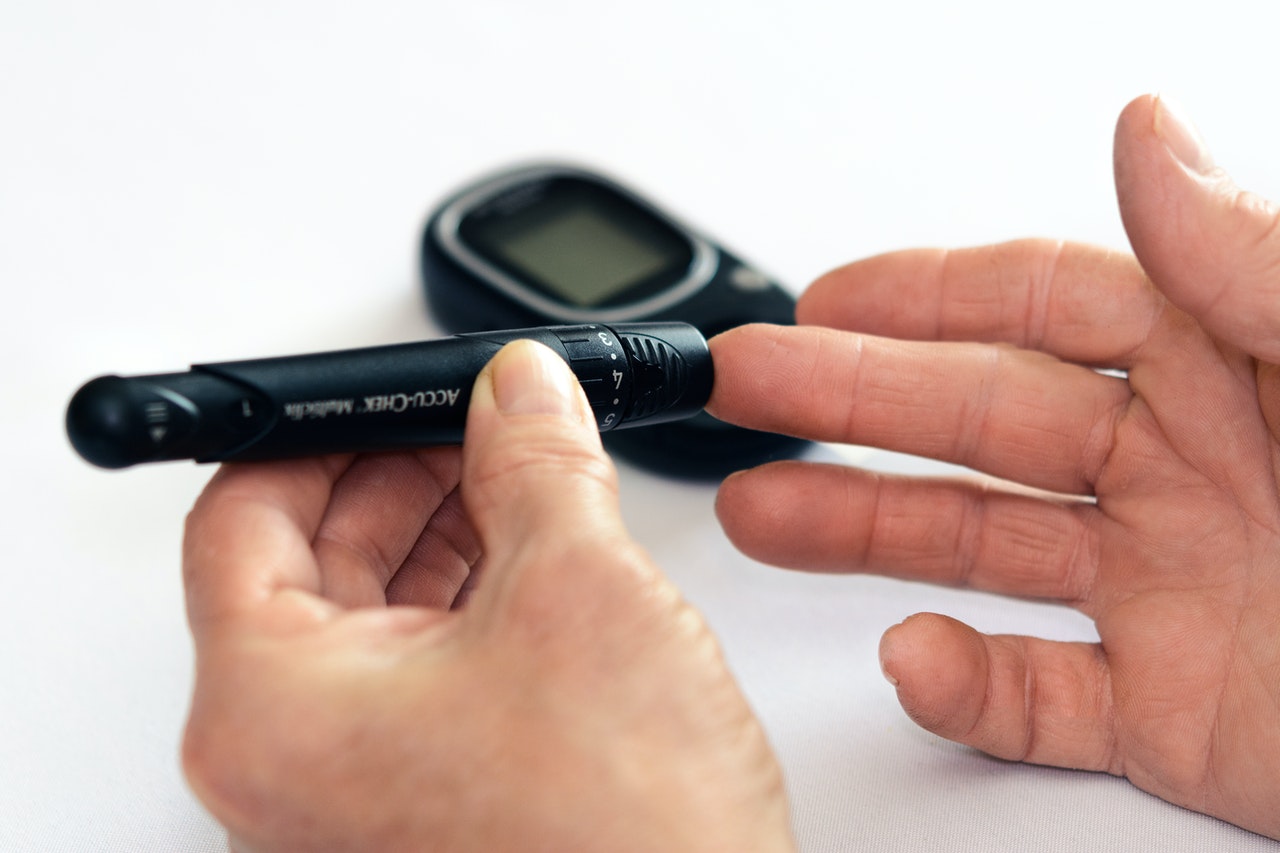
 If you were to take a dose of CBD every day, your blood pressure would drop. As you know, sebum is a natural oil created for the skin. That’s why you have those unsightly pimples and blackheads.




 I understand that some hangovers are very violent, and people have to be active in the day. Many of you have to do the work, and maybe you have done it. Others may have done it. What do you have to do if you really want to? Keep in mind that it is important not to take pain killers right after drinking. Mixing the drugs carries health risks, and the whole body can react to them. Take painkillers if you wake up in pain and want to get rid of the aggravation and nausea quickly.
 Food can bring you back to life by helping your body metabolize and monitor the amount of alcohol that increases blood sugar levels. Do not eat a lot. You may be hungry, but eating chips and carbohydrates can make you collapse.You may feel much better than before and lethargic. Ideally, you will need eggs to get cysteine, which helps purify toxins from your body’s processes (acetaldehyde). You can also eat bacon with your eggs, but just remember to not overeat.…
 Many health benefits can be developed with this activity. It allows someone to build and strengthen their self-confidence. You will find many of them. This is just one type of weight loss program, and it is free. If you want to maintain body fat and you want to acquire a human body, enjoy the breeze along with the air that flows outside your body. If you are doing some exercise even by jogging , you will feel good about yourself. You will feel confident because you know that you are taking good care of yourself.
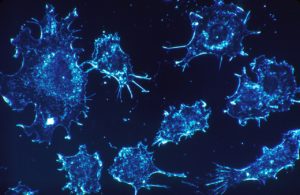 Studies have shown that the potential for cancer decreases. Not that this gives the individual a strong system that is also immune. The way you move gives individual resistance to the disease and makes the machine Strength and versatility are beneficial to your health while running.